
"coffee ecosystem"
1100 article(s) found

Brazil's four main varieties Honey treatment Faca Esheb boutique coffee beans planting geographical location
Dry incense can be said to be the most charming place of this bean. After grinding, you can obviously feel a kind of elegant floral fragrance, fresh and elegant, but it is not like Yega Xuefei's floral fragrance rising all the time, but a feeling of eloquence. In addition, there is obvious honey sweet fragrance, the overall dry fragrance is low and melodious, the honey sweet fragrance is more prominent after water injection, and the entrance of the coffee is very gently sour across the mouth.

Introduction to the Origin of products and varieties of Ecuador
Ecuador is a large coffee producer and one of the few countries in the world that export all kinds of coffee, including coffee beans, Arabica coffee and robusta coffee. Thanks to its superior location, Ecuador produces the best coffee in South America, meeting the high standards of coffee in Europe and the United States. Different ecosystems make coffee

Aromatic Ethiopian coffee growing environment Flavor Taste Introduction
Located in the most privileged natural conditions, Ethiopia produces unique high-quality coffee every year. Ethiopia's coffee growing cycle brings harvest joy to the country every year. Beautiful white coffee flowers bloom and bear fruit every year between March and April. Only the reddest and most mature fruits are selected between September and about December
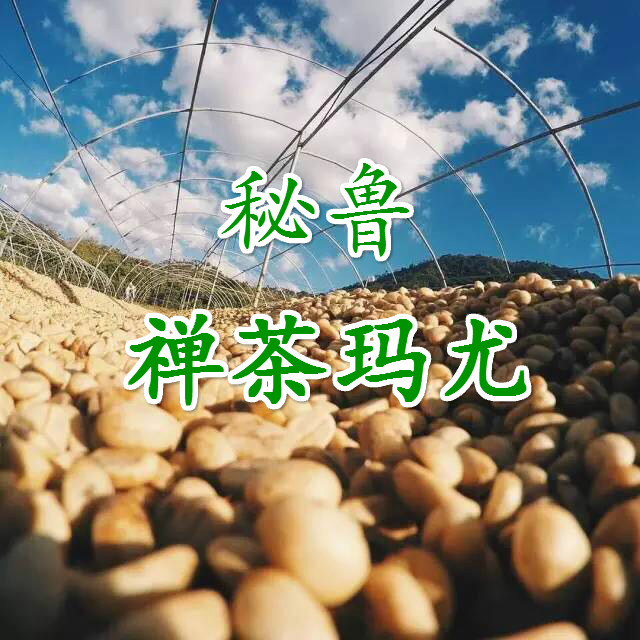
Peruvian Coffee Organic Coffee Identification: several major certification institutions for organic coffee
Professional baristas please follow the coffee workshop (Wechat official account cafe_style) Peruvian Zen tea Mayo most of the Peruvian coffee is organic, mainly on small-scale farms, mostly grown at the foot of the Andes. Peru, with mountains accounting for 1% of the country's total area, belongs to a tropical desert region with a dry and mild climate. The average annual precipitation of 18-26 ℃ is mild 700~1500mm, which makes here

Ethiopian coffee
Ethiopia's Yirgacheffe coffee is petite, but gentle and sweet. As the home of coffee, Ethiopia's millennia of growing and processing traditions have resulted in high-quality washed Arabica beans. Light baked with unique lemon, floral and honey sweet aromas, soft fruit acids and citrus notes, fresh and bright taste. not

African coffee beans, ancient Ethiopian coffee, three cultivation of Ethiopian coffee.
Professional coffee knowledge exchange more coffee bean information please follow coffee workshop (Wechat official account cafe_style) Qianjie Coffee today introduces Ethiopian coffee, Ethiopia has the world's most diverse coffee ecosystem (forest coffee, semi-forest coffee, pastoral coffee and plantation coffee), which allows its rich Arabica genes to be preserved, plus sun exposure,
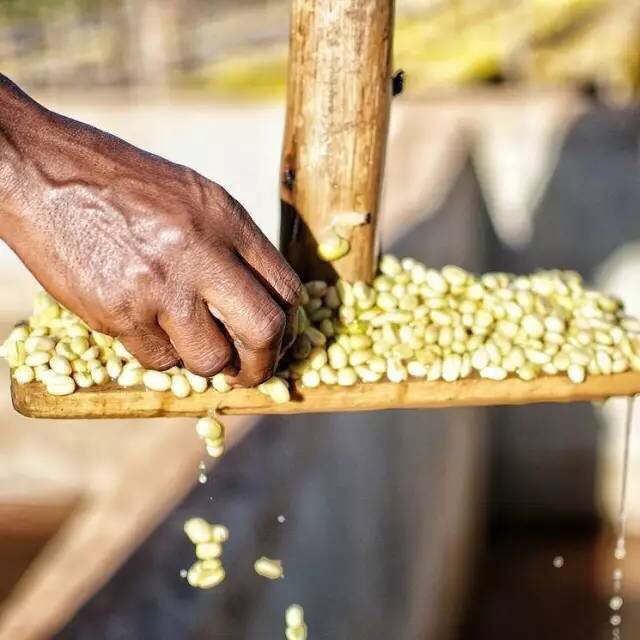
Peruvian Parkmanu Zen tea Mayou extremely low defect hazelnut cherry sweet boutique coffee ripe beans
Professional baristas please follow the coffee workshop (Wechat official account cafe_style) Peruvian Zen tea Mayo most of the Peruvian coffee is organic, mainly on small-scale farms, mostly grown at the foot of the Andes. Peru, with mountains accounting for 1% of the country's total area, belongs to a tropical desert region with a dry and mild climate. The average annual precipitation of 18-26 ℃ is mild 700~1500mm, which makes here
Kenyan boutique coffee Jiatugi processing plant in Kenya Nyeri producing area
There are many producing areas in Kenya that strive to preserve the native forest ecosystem, protect the natural gene pool, support the reproduction of wild coffee varieties and breed a variety of coffee trees. In 1930, the unique varieties of SL28 and SL34 in Kenya, which were cultivated and named by Scott Laboratories laboratory, were born in such a good environment. According to botanists in SL laboratory, SL28 and SL34 are

Colombian Palm Tree Bird Manor Rose Summer Sun Palm Tree Bird Manor Coffee producing area
Professional Coffee knowledge Exchange more information about coffee beans Please follow the coffee workshop (official Wechat account cafe_style) Coffee has been an integral part of the economic development of the province of Candy Yamaka for more than a century. Coffee in the region is not just a crop; it is part of the social and cultural fabric of the region. Cundiamarca's coffee grows in the East Andes of Colombia.
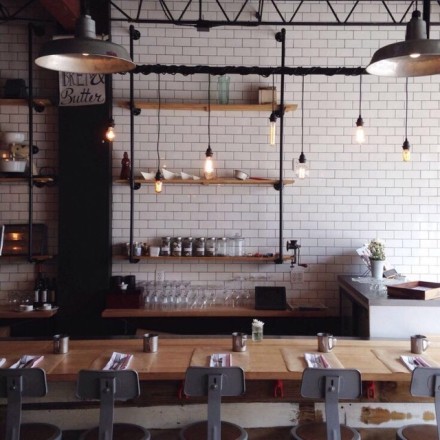
Is the coffee shop a good business?
Many people only know about startup cafes after the prime minister goes to 3W Cafe to talk to entrepreneurs. In fact, the rise of domestic entrepreneurship cafe business began in 2009, from Hangzhou, Beijing, Shanghai, Shenzhen to 2013 has spread to Wuhan, Nanjing, Changsha, Jinan, Zhengzhou and other provincial capital cities. Especially Beijing Zhongguancun Chuangye Street, but also the whole country

A brief introduction to Coffee Culture in Ethiopia
Sustainable coffee culture Ethiopian coffee beans grow in close to the natural environment, after years of planting under the same growth conditions, Ethiopian coffee beans have gradually adapted to the environment here. More than 60% of coffee beans are grown in forests or semi-forests. The villages that grow coffee in large areas account for about the total amount of coffee produced in the country.

The influence of Ecuadorian geographical location and climate on coffee grading system of Ecuadorian coffee
Ecuador introduces that coffee has been introduced into Ecuador since the 19th century. The first coffee plantations were established in the coastal areas of Manabi province in the 1860s. As one of the most biologically diverse countries on earth, Ecuador's unique ecosystem is an ideal place for the plant to flourish, and coffee soon became one of Ecuador's main exports. Until 1920

Ethiopia Coffee Bean Flavor Manor introduces Ethiopian boutique coffee beans
Ethiopian coffee beans grow in close to the natural environment, after years of planting under the same growth conditions, Ethiopian coffee beans have gradually adapted to the environment here. More than 60% of coffee beans are grown in forests or semi-forests. Large-scale coffee-growing villages account for about 35% of the country's total coffee production. Many of these are used.

Coffee producing and growing areas in Ethiopia
Ethiopian coffee beans grow in close to the natural environment, after years of planting under the same growth conditions, Ethiopian coffee beans have gradually adapted to the environment here. More than 60% of coffee beans are grown in forests or semi-forests. Large-scale coffee-growing villages account for about 35% of the country's total coffee production. Many of these are used.

Ethiopian coffee, culture, development
Ethiopian coffee Ethiopia has unique natural conditions and is suitable for growing all imaginable varieties of coffee. As a highland crop, Ethiopian coffee beans are mainly grown in areas between 1, 100 and 2300 meters above sea level, roughly distributed in southern Ethiopia. Deep soil, well drained soil, weakly acidic soil, laterite

Characteristics of Ethiopian Coffee beans Grinding scale Variety treatment Manor
Total Ethiopian coffee production Ethiopia's Buna (coffee) ceremony is a long process, averaging about 1.5 hours. The ceremony, which takes place every day, aims to come to the conclusion that it may be a marriage proposal or a mediation of family conflict. The first is roasted coffee beans. When the coffee beans are roasted, the coffee will be made by women (who often dress up).

High quality Coffee production and sales of Coffee from Ethiopia Coffee
Ethiopian coffee beans grow in close to the natural environment, after years of planting under the same growth conditions, Ethiopian coffee beans have gradually adapted to the environment here. More than 60% of coffee beans are grown in forests or semi-forests. Large-scale coffee-growing villages account for about 35% of the country's total coffee production. Many of these are used.

Introduction to Coffee Culture and Flavor in Ethiopia
Sustainable coffee culture Ethiopian coffee beans grow in close to the natural environment, after years of planting under the same growth conditions, Ethiopian coffee beans have gradually adapted to the environment here. More than 60% of coffee beans are grown in forests or semi-forests. The villages that grow coffee in large areas account for about the total amount of coffee produced in the country.

Djimmah is medium in texture and rugged with earthy Ethiopian boutique coffee beans.
The coffee-producing region of Ethiopia is divided into east and west parts by the East African Rift Valley, with lakes, volcanoes, lowlands, plateaus and woodlands interlaced, each evolving. Ethiopia has the most diverse coffee ecosystem in the world (forest coffee, semi-forest coffee, pastoral coffee and plantation coffee), which also preserves its rich Arabica genes. The eastern half is mostly plateaus, coffee beans.

Introduction of El Salvador Neverland Coffee Variety Bourbon Coffee Bean flavor and taste hot
La Ilusin the average coffee tree on the farm is more than 20 years old and grows 95 per cent of bourbon (70 per cent red bourbon and 25 per cent orange bourbon). The remaining 5% is a combination of other varieties, and some tin trees and Kenyan trees may also be found. The farm is operated in an environmentally friendly way because farmers are trying to keep balance with the surrounding ecosystem, while Zhou